


Key takeaways
- A CS2 map veto removes unsuitable maps and selects the maps that will be played in a series.
- In a typical best-of-three, both teams ban once, pick one map each, ban again and leave one map as the decider.
- The exact veto order and side-choice procedure can differ between Valve Majors, BLAST, ESL and other tournament organizers.
- A strong veto is based on the overlap between both teams' map pools, not only a team's favorite map.
A CS2 map veto is the pre-match process that determines where a Counter-Strike 2 series will be played. Teams remove maps with bans, secure preferred maps with picks and, in a multi-map series, leave one map as the possible decider.
The veto is the first strategic contest of a match. A strong team is not simply trying to play its favorite map. It is trying to create the best remaining combination after accounting for its own strengths, the opponent’s weaknesses, recent form, starting sides and the format of the series.
One detail matters before reading any veto: the exact sequence is not universal. Valve Majors, BLAST, ESL and other organizers publish their own procedures. The durable logic is consistent, but pick order and side choice can change from one event to another.
CS2 map veto terms at a glance
| Veto term | What it means | What it can reveal |
|---|---|---|
| Ban | Removes a map from the series | A weakness, bad matchup or deliberate trade |
| Pick | Selects a map to be played | Preparation, confidence or a targeted opponent weakness |
| Permaban | A team's most consistently removed map | The narrowest point in its practiced map pool |
| Decider | The remaining map in a multi-map veto | The compromise both teams accepted |
| Side choice | Determines who starts CT or T | How an event balances the value of a map pick |
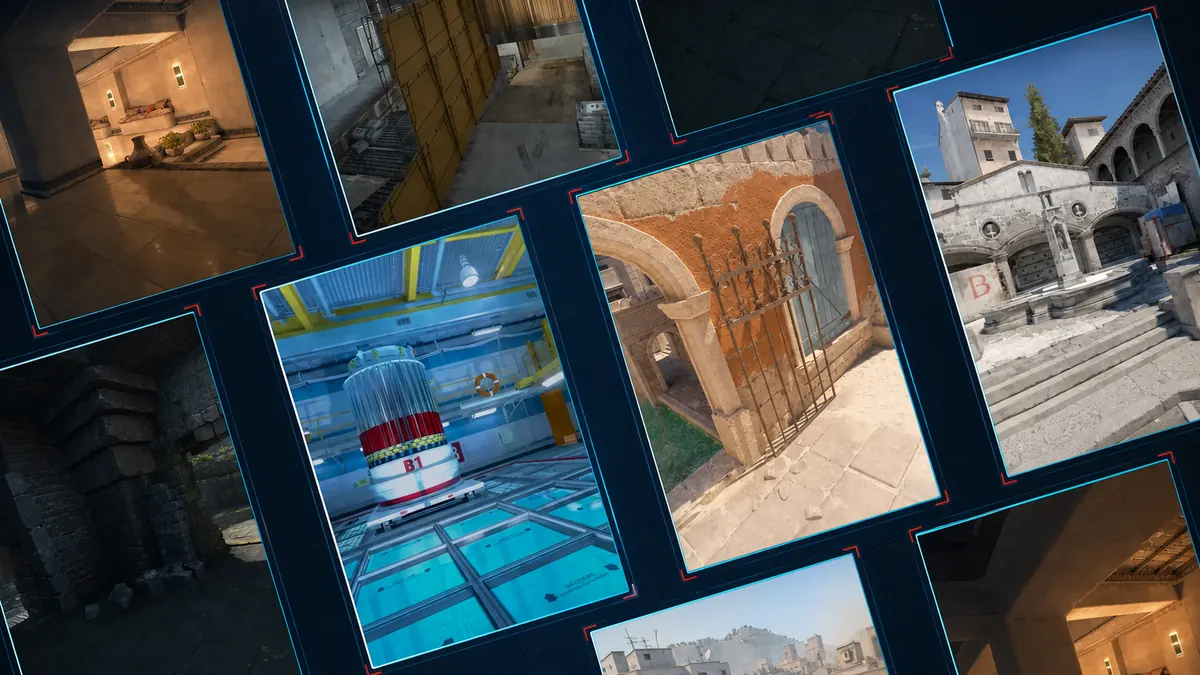
The map pool normally contains seven maps. Every ban reduces that pool; every pick assigns one of the surviving maps to the series. When only one map remains in a best-of-three veto, it becomes map three.
Who gets the first veto action?
Tournament rules decide the starting advantage before the first ban. Some competitions use pre-event or stage seeding, while others use a coin toss or another administrator-controlled procedure. The result may let the higher-priority team choose whether it wants to act as Team A or Team B rather than automatically forcing it to ban first.
That distinction matters because the two veto positions do not always carry the same benefits. One side may make the first map pick, while the other makes the final ban or receives a particular side choice on the decider.
Older community explanations often begin with a coin flip because that was common in the event being discussed. Current Valve Major rules use the higher seed. Both descriptions can be correct in their original context, which is why the active event rulebook should settle the question.
How a CS2 best-of-one veto works
A best-of-one (BO1) has no room for a second map. The teams continue banning until one map remains, and that map is played.
The exact number removed by each team can depend on the event. Valve’s current Major supplemental rules, for example, have the higher seed choose whether to be Team A or Team B. Team A removes two maps, Team B removes three, Team A removes one more and Team B chooses the starting side.
Other organizers may alternate one ban at a time. The end result is the same: six maps disappear and the seventh becomes the match map.
BO1 vetoes reward preparation across the pool because neither team receives a guaranteed map pick. A team can still guide the veto toward a favorable destination, but it must predict which maps the opponent is willing to remove.
This also makes the first ban unusually revealing. If a team abandons its normal permaban, it may be steering the opponent toward a specific trap—or admitting that the expected matchup on another map is even worse.
How a CS2 best-of-three veto works
A best-of-three (BO3) usually follows this strategic shape:
- Team A bans one map.
- Team B bans one map.
- Team A picks map one.
- Team B picks map two.
- The teams make another ban each.
- The final remaining map becomes map three, the decider.
The series ends when one team wins two maps, so the decider is played only if the teams split the first two.
Valve’s current Major process adds side choice directly to the sequence: the opponent chooses the starting side on each team’s pick, and the rules assign side choice for the decider. BLAST’s 2026 handbook uses the same ban-pick-ban structure but handles the decider side through a knife round. This is why a broadcast graphic may look slightly different across events even when both are described as a standard BO3 veto.

Why teams usually pick their best map
A team’s pick should create a reliable opportunity to win, but “best map” is not always the map with its highest public win rate.
The sample can be misleading. A team may have played a map only twice, farmed weaker opposition or recently changed a player who held a critical position. Coaches also consider whether the opponent’s defensive setups, opening-duel patterns and utility protocols are vulnerable to their style.
The best pick is often the map with the strongest relative advantage. A team’s second-best map can be a better selection when it attacks the opponent’s weakest prepared map.
Why the opponent often chooses the starting side
Giving the opponent side choice on a team’s map pick helps balance the advantage of selecting the battlefield. If Team A chooses a map, Team B may choose whether to begin on the CT or T side under the event’s rules.
That choice does not guarantee an easy opening half. Teams consider the current version of the map, their pistol-round preparation and whether they prefer to establish momentum on attack or defense. The visible CT/T win rate is useful context, but it should not replace matchup-specific preparation.
Why the decider is not random
The decider is the map both teams allow to survive. That makes it a negotiated outcome rather than a random leftover.
One team may accept a neutral decider to protect its stronger map pick. Another may leave a volatile map because it believes aim and mid-round calling give it an edge. The last two bans reveal which compromise each team prefers when its obvious strengths and weaknesses are already removed.
How a best-of-five veto changes the strategy
A best-of-five (BO5) uses more of the available pool. Under BLAST’s 2026 handbook, each team begins with one ban, then the teams alternate four map picks and leave the final map as map five if required.
That format places more pressure on depth. A narrow team cannot hide two uncomfortable maps through repeated bans, and a roster with a reliable six-map pool gains more ways to create favorable matchups.
BO5 preparation also changes the value of endurance and adaptation. Teams may play several hours of Counter-Strike, and information from the opening maps can influence setups later in the series. The veto still happens before play, but the ability to adjust between maps becomes part of making the original selections work.
What is a CS2 permaban?
A permaban is the map a team removes in most vetoes. It is not an official permanent restriction. It is a pattern created by the team’s choices.
Teams develop permabans for several reasons:
- the roster has not practiced the map deeply;
- player roles do not fit its important positions;
- the map conflicts with the team’s preferred tempo;
- another map entered the pool recently and received more practice time; or
- keeping six maps ready is a better use of limited preparation.
A known permaban simplifies the opponent’s planning because one early action is predictable. The tradeoff is efficiency: the team can concentrate practice on a smaller pool and become more dangerous on the maps it keeps.
Roster changes and map-pool updates can break this pattern. A new in-game leader may reopen an abandoned map, while an official rotation can remove the old permaban and force the team to choose a new weakness.
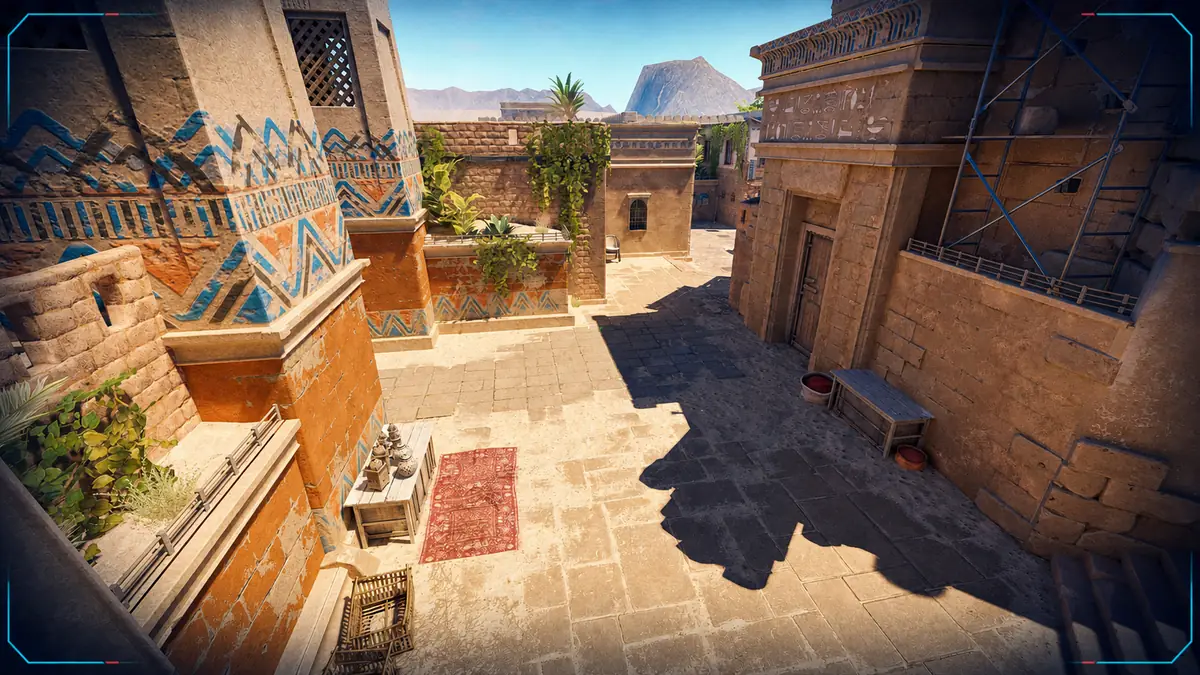
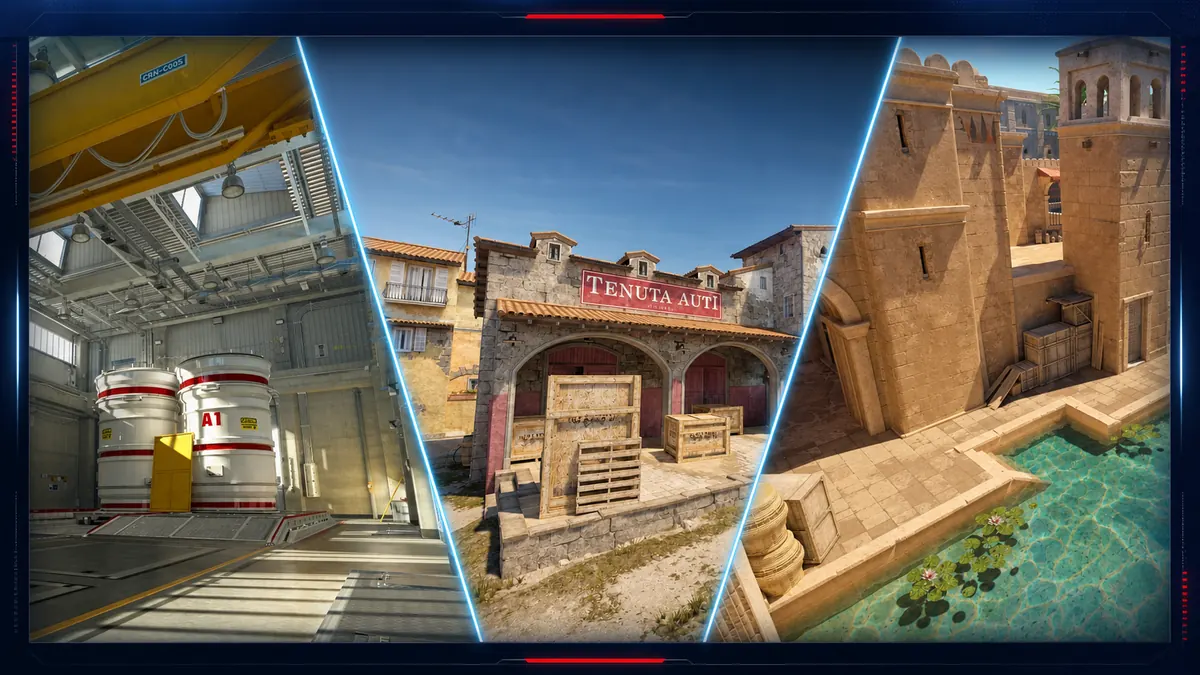
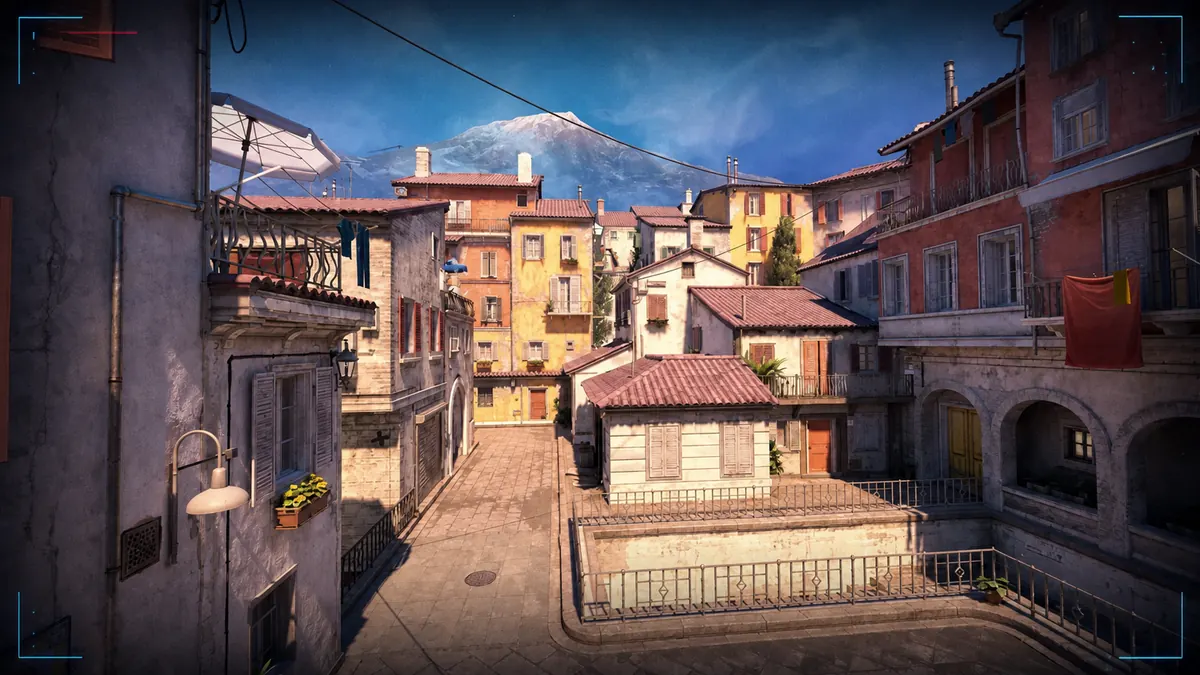
The current CS2 Active Duty map pool
As of August 30, 2026, the Active Duty pool is Ancient, Anubis, Cache, Dust II, Inferno, Mirage and Nuke. Valve added Cache and removed Overpass when Premier Season Five began on July 8, 2026.
That date matters because map pools change. Historical veto statistics from a different seven-map pool do not describe the choices available today. Tournament rulebooks may also lock a specific game version before an event begins, so always check the event’s published settings before assuming a recent rotation applies.
Valve’s Major rules require tournament operators to use the current in-game versions of the Active Duty maps. Other competitions can publish their own eligible pool and version-lock procedure.
How to read a CS2 veto before the match starts
Use this six-step check when a veto appears on the broadcast.
1. Identify both permabans
Start with what each team almost always removes. If the opening bans match expectations, neither side has revealed a surprise. If one team leaves its permaban open, the veto deserves closer attention.
2. Compare picks with recent opponents
Look beyond overall win rate. Who did the team beat, how recently did it play the map and did the current five-player roster produce those results?
3. Check whether a pick targets a weakness
A map can be selected because the opponent has weak CT rotations, limited T-side variety or poor recent results against similar teams. The veto is a matchup decision, not a solo ranking of maps.
4. Note side choice
Confirm which team starts CT and T on each map. Do not assume the picker receives its preferred side; the current event rulebook controls that decision.
5. Find the pressure map
One opening map may be far more important than the other. If a team needs to steal the opponent’s pick before reaching an unfavorable decider, map one can determine the tactical shape of the entire series.
6. Re-evaluate after the result
A lost map pick does not automatically mean the veto was bad. Execution, pistol rounds, economy swings and individual form still decide the game. Compare the strategic idea with what actually happened rather than grading the veto only by the final score.
You can apply this process to the upcoming CS2 match schedule and then compare your read with the published CS2 results. Our CS2 match formats and score guide explains how BO1, BO3 and BO5 series are scored once the maps begin.
Common mistakes when judging a map veto
The most common mistake is treating win percentage as the whole map pool. A 100% record from two maps is not automatically stronger than a 60% record built across months of top-level opposition.
Other frequent errors include:
- calling every first ban a permaban without checking earlier vetoes;
- assuming the map picker also chooses its starting side;
- treating the decider as an accidental leftover;
- using statistics from an older roster or map version;
- ignoring whether a result came online or on LAN; and
- declaring the veto lost before considering pistol rounds and economy variance.
Good veto analysis explains the trade. Which map did a team protect, what weakness did it expose and what path did it create toward two map wins?
Map vetoes turn a series into a matchup
A CS2 map veto converts a general contest between two teams into a specific series. Early bans define what cannot happen. Picks identify where each side expects an advantage. Final bans decide which compromise remains if the series reaches its last map.
For spectators, the most useful question is not “who has the better map pool?” It is “which team created the clearer route to two wins under this event’s rules?”
Follow the veto alongside the match format, recent roster-specific results and starting sides. That turns seven map names on a broadcast graphic into the first readable chapter of the match.
Sources
- Valve Major Supplemental Rulebook — official Major BO1 and BO3 map pick-ban procedures and Active Duty requirement.
- BLAST Premier Handbook 2026 — official BLAST BO1, BO3 and BO5 veto procedures and side-choice rules.
- Counter-Strike 2 update notes, July 8, 2026 — official confirmation that Cache replaced Overpass in the Active Duty map pool.
- ESL Pro Tour 2026 Rulebook Update #2 — current ESL rulebook-change context and higher-seed veto guidance.
- r/GlobalOffensive: how map picking works in professional tournaments — community questions and explanations that show common viewer confusion around picks, deciders and side choice; exact historical details are checked against current rulebooks above.
- r/GlobalOffensive: how maps are picked in professional matches — community walkthrough of the familiar ban-pick-ban BO3 structure and the role of the remaining decider.
Frequently asked questions
What is a map veto in CS2?
A CS2 map veto is the pre-match process in which teams alternately remove and select maps from the tournament map pool. The completed veto determines the map or maps played and may also determine which team chooses the starting side.
What is a permaban in CS2?
A permaban is the map a team almost always removes at its first opportunity. It is not permanently banned by the rules; the name describes a consistent team preference that helps define its competitive map pool.
How is the third map in a CS2 BO3 chosen?
The third map is normally the last map remaining after both teams make their picks and final bans. It is called the decider and is played only if the series reaches a 1-1 score.
Does the team that picks a map choose its starting side?
Often the opposing team receives side choice on a team's map pick, while the decider may use a knife round or a rulebook-defined side choice. Exact procedures vary by tournament.
Is every CS2 tournament map veto the same?
No. The broad logic is similar, but organizers can use different pick-ban sequences, seeding rules and side-choice procedures. Check the event's current rulebook when the exact order matters.
Verified data and editorial standards
Schedules and scores use the site’s published API data. Guides are written and reviewed by the EsportsNews.pro editorial team, while unverified details are omitted.

 DOTA 2
 LEAGUE OF LEGENDS