

Key takeaways
- Every standard League of Legends game has an independent draft; picks and bans from the previous game do not carry into the next one.
- Professional Tournament Draft has two ban phases and two pick rotations, ending with the second-pick side receiving the final selection.
- The first-pick side can secure a high-priority champion, while the second-pick side can protect a late counter-pick.
- Strong drafts balance comfort, lane matchups, physical and magic damage, engage, frontline and a clear way to win fights.
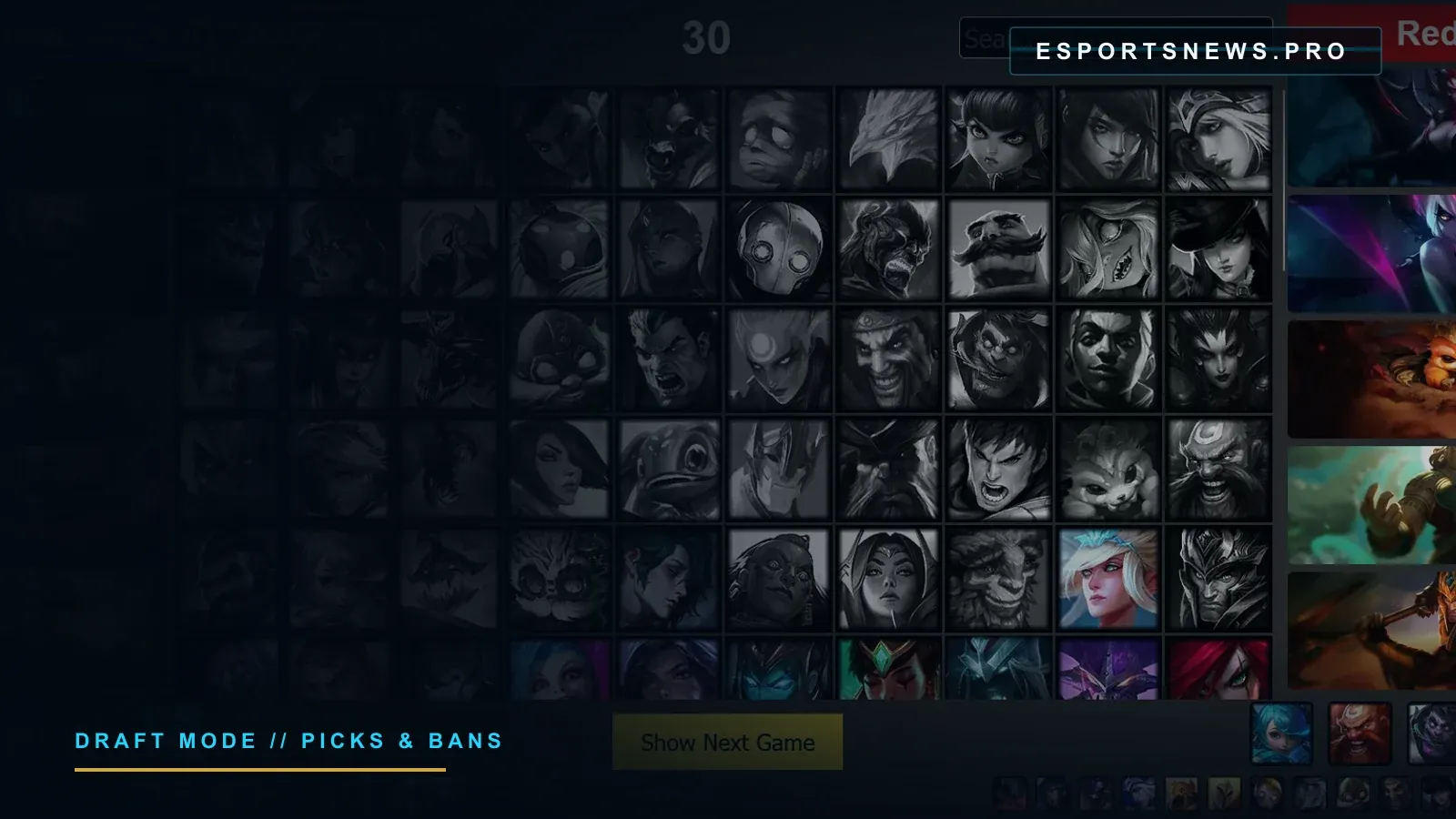
League of Legends drafting is the pre-game process in which two teams ban champions, take turns selecting five champions and build a composition for one game. In standard play, each game is independent: previous picks and bans do not carry into the next game of a series.
That reset matters. A team can ban the same champion again in Game 2, reuse its Game 1 lineup or completely change strategy. The only restrictions are the bans, locked picks and event-specific disabled champions for the game currently being drafted.
Professional Tournament Draft uses a split pick-and-ban sequence. Matchmade Draft Pick uses a simpler ban phase, so viewers should not assume the solo queue screen and an esports broadcast follow exactly the same process.
LoL professional drafting at a glance
| Stage | Order | Strategic purpose |
|---|---|---|
| Ban phase 1 | Three alternating bans per team | Remove patch priorities, comfort champions and pieces that would enable an opponent's opening plan. |
| Pick phase 1 | First-pick side takes 1; second-pick side takes 2; first-pick side takes 2 | Establish the first three champions and reveal the initial shape of each composition. |
| Ban phase 2 | Two alternating bans per team, beginning with the second-pick side | Target the remaining roles, remove counters or break a combination suggested by the first rotation. |
| Pick phase 2 | Second-pick side takes 1; first-pick side takes 2; second-pick side takes the final 1 | Complete both lineups, with the final selection preserving the strongest direct counter-pick opportunity. |
Traditional broadcast shorthand calls the selections B1 through B5 and R1 through R5. B1 means the first selection; R5 means the final selection. Current event rules can change how side choice and first-pick priority are awarded, so follow the live champion-select order rather than relying only on team-banner color.
Does the draft reset after every game?
Yes. A standard best-of-three or best-of-five contains a separate champion select before every game.
- Game 1 picks are available again in Game 2 unless they are banned again.
- Game 1 bans do not remain banned in Game 2.
- Teams receive a fresh set of five bans and five picks for each new game.
- Coaches can repeat a successful composition or adjust it based on the previous result.
This is different from a special format such as Fearless Draft, which can restrict previously selected champions. Fearless is not the default rule described in this guide and should never be assumed unless the tournament explicitly announces it.
How the first professional ban phase works
The first phase contains six total bans: three from each team in alternating order. These bans happen before either team has shown a champion.
Because there are no visible picks yet, opening bans rely on preparation. Coaches review the patch, opponent tendencies, player champion pools and which combinations they want to protect. Common goals include:
- removing a champion that is too strong to leave open on the current patch;
- targeting an opponent’s most trusted comfort pick;
- banning a flex champion that could hide several roles;
- protecting a planned first pick from its cleanest answer; or
- creating a trade in which two strong champions remain open and each team can claim one.
A ban does not mean the champion is universally overpowered. It may be dangerous only against that opponent, on that side of the draft or beside another champion in a specific combination.
LYON bans
Sentinels bans
How the first pick rotation works
After the first six bans, the first-pick side selects one champion. The second-pick side answers with two champions, and the first-pick side then adds two more.
The opening pick is often a champion that is powerful, flexible or safe when selected without seeing the opponent’s lineup. A strong first pick can secure the best remaining option on the patch, but it also gives the other team immediate information.
The two-pick response lets the second-pick side build a pair. That might be a jungle-support combination, a bot-lane duo or two flexible champions whose final roles remain hidden. The first-pick side then uses its next two selections to complete a trio and respond to what has been shown.
At the end of this rotation, each team has three champions. Two roles may remain open, although flex picks can make the true assignments unclear.
Why the second ban phase is more targeted
The second ban phase begins after six champions have been picked. Each team now has information about the opponent’s likely lanes, damage profile and intended way to fight.
That makes the remaining four bans more precise. If the opponent has shown a carry jungler but no reliable engage, a team can remove supports or top laners that would provide initiation. If one solo lane is still hidden, the opposing side can ban safe blind picks and make that final selection harder.
The second-pick side bans first in this phase. Both teams are trying to protect their final choices while narrowing the opponent’s remaining options.
How the final pick rotation works
The second-pick side opens the last rotation with one champion. The first-pick side then selects its final two champions, and the second-pick side receives the last selection of the draft.
That last pick is valuable because it has maximum information. All nine other champions are visible, so it can be used to:
- counter a revealed solo-lane matchup;
- add the missing physical or magic damage source;
- complete the team’s engage or disengage plan;
- answer the opponent’s range, mobility or frontline; or
- reveal the true role of an earlier flex pick.
The final pick is not automatically the most important champion. Its value depends on whether the team preserved a useful matchup and whether the player can execute the selected counter.
Solo queue Draft Pick is different
Normal and Ranked Draft Pick do not use the professional split-ban sequence. In matchmade play, each of the 10 players receives a ban during one simultaneous ban phase. The picks then follow the familiar one-two-two-two-two-one pattern.
Role selection also belongs to matchmade play: players queue with primary and secondary preferences before the matchmaker assigns Top, Jungle, Mid, Bot or Support. Professional teams already know their five players and roles before Tournament Draft begins.
This distinction is important when reading guides. Advice about autofill, hovering a champion or individual ban choice may be useful for solo queue, but it does not describe how coaches conduct a coordinated professional draft.
What makes a good League of Legends draft?
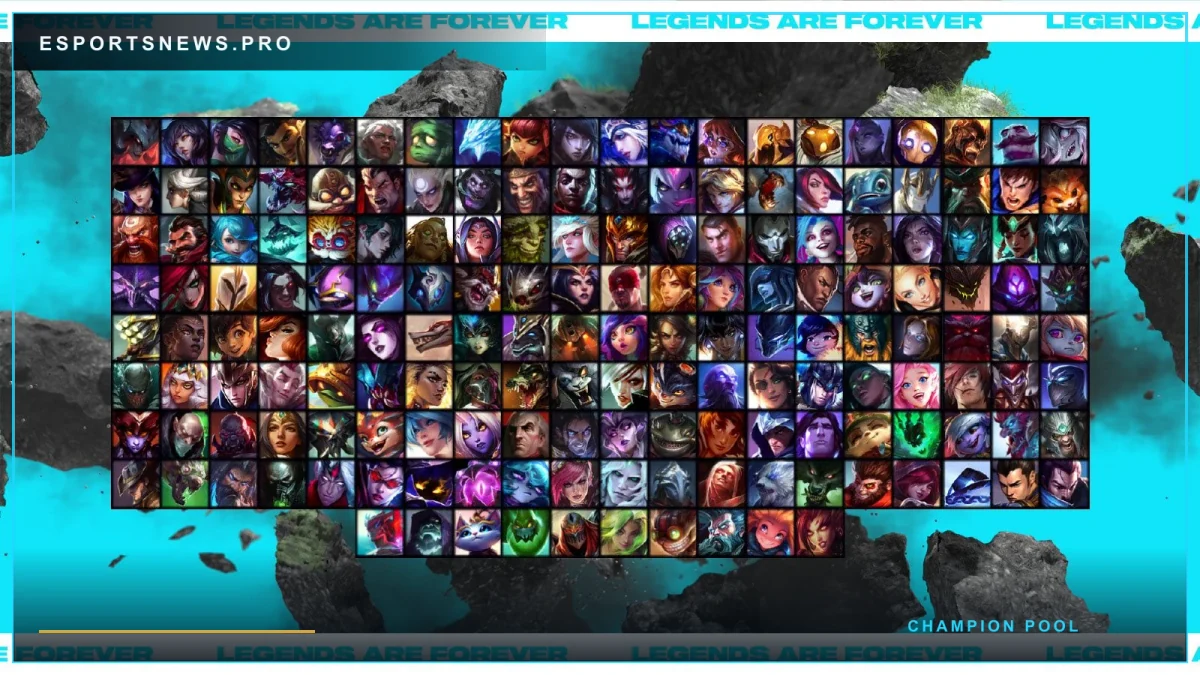
A strong draft is not simply a list of five high-tier champions. The lineup needs a coherent way to play the map and win fights.
A clear win condition
Teams should understand whether they want to pressure early lanes, scale for later team fights, play through side lanes, control objectives, engage directly or create space with poke. Champions should support the same broad plan instead of pulling the team in incompatible directions.
Physical and magic damage balance
If nearly all meaningful damage is physical, opponents can gain more value from armor. If it is almost entirely magic, magic resistance becomes easier to stack. A balanced threat profile makes defensive itemization more difficult.
Engage, disengage and frontline
A team needs a reliable way to start favorable fights or prevent the opponent from starting one. Crowd control, durable frontline champions and tools for protecting carries determine whether a theoretical damage advantage can actually be used.
Role and champion synergy
Pairs that move together should complement each other. Jungle and support often create plays as a unit. Bot-lane champions need compatible lane patterns. A carry who wants to dive deep may need teammates who can follow, while a long-range composition needs space, vision and disengage.
LYON · 23 kills
Sentinels · 21 kills
Comfort and execution
The most sophisticated counter on paper has little value if the player cannot perform it. The linked coaching references repeatedly favor practiced comfort over forcing an unfamiliar theoretical answer. At professional level, champion pools are wider, but execution remains part of every draft decision.
Meta picks, comfort picks and counter-picks
The meta describes the champions and strategies performing well on the current patch. Teams study recent professional games to identify common first picks, high ban rates and reliable role combinations.
A comfort pick is a champion a player knows exceptionally well. Comfort reduces execution risk and can be more valuable than a small matchup advantage.
A counter-pick is chosen after enough information is available to exploit an opponent’s selection. Counters are most reliable when the enemy role is confirmed, the player has practiced the matchup and the champion still fits the wider team composition.
Good drafting balances all three. Copying the meta without sufficient practice can fail. Blindly choosing comfort can produce a composition with no clear plan. Forcing counters can leave players on champions they cannot execute.
Why flex picks matter
A flex pick can credibly play more than one role. It delays information and makes the opponent’s bans and counters less certain.
For example, a champion that can play Top or Mid does not reveal either solo-lane matchup immediately. The opposing team may spend a ban protecting against one assignment only to discover that the champion moves to the other role.
Flexibility also helps composition building. A champion that provides damage in one role and utility in another gives coaches more ways to respond as the draft develops.
How to read an LoL draft on broadcast
Use this checklist while champion select is on screen:
- Confirm which team picks first. The first-pick side gets the opening champion; the other side gets the final selection.
- Watch what the first three bans protect. They usually reveal patch priorities and opponent-specific preparation.
- Identify flexible champions. Do not assign every pick to a lane too early.
- Track open roles after the first rotation. The second ban phase often attacks those remaining positions.
- Check damage balance and engage. Five individually strong champions can still form an awkward team.
- Look for the intended win condition. Ask how the team wants to start fights, take objectives and reach its strongest point.
- Evaluate the final counter-pick. Judge both the lane matchup and how the selection fits the full composition.
You can apply that process while following the League of Legends match schedule or browsing the League of Legends hub. Philippine viewers can also use our LoL schedule guide for PHT timing.
Common LoL drafting misconceptions
“Bans remain active for the whole series”
No. Standard bans apply only to the game being drafted. The next game starts with a fresh ban phase.
“The team with first pick wins the draft advantage”
First pick and last pick provide different advantages. The opening selection secures priority; the final selection preserves information and counter-pick potential.
“Five meta champions automatically make a good composition”
No. The team still needs compatible lanes, damage sources, crowd control, frontline and a clear plan for fights and objectives.
“A counter-pick is always better than comfort”
No. A counter works only when the player understands the matchup and the champion fits the team. An unfamiliar counter can be weaker than a practiced neutral matchup.
“Solo queue and professional drafting use the same ban phase”
No. Matchmade Draft Pick uses simultaneous individual bans. Professional Tournament Draft splits bans into two strategic phases around the first pick rotation.
The draft is a plan, not a result
A good draft gives a team useful tools, clear matchups and a realistic way to win. It does not play the game for them. Execution, adaptation and in-game decisions still decide whether those advantages matter.
For viewers, champion select becomes easier to understand when it is treated as a sequence of information trades. First pick secures priority. Paired picks build combinations. The second bans attack revealed roles. The final pick uses the information left on the board.
And when the next game begins, the board resets. Both teams draft again from a fresh starting point.
Sources and reference review
- Riot Games: On Launching 10 Bans — official explanation of simultaneous matchmade bans and the split professional draft sequence.
- Riot Games Competitive Operations Library — current official rulebooks and event-specific regulations.
- Team drafting, League of Legends Wiki — overview of roles, champion selection, bans, locking and different draft types.
- Draft Pick, League of Legends Wiki — matchmade role selection, individual bans, alternating picks and finalization.
- Explain Draft Pick to a Noob, r/summonerschool — player-focused explanation of role preferences, bans, the pick sequence and post-pick setup.
- Drafting Fundamentals for Competitive League of Legends — coaching framework covering meta research, role functions, team purpose, comfort picks and composition building.
- Team Comps & Drafting Explained — concise overview of damage balance, crowd control, frontline and role synergy.
- The Only Drafting Guide You’ll Ever Need — comfort-pick priority, engage, coherent composition flow, damage consistency and counter-pick timing.
- How Do Pros Draft — Part 2 — one-minute explanation of the two professional ban/pick rotations and the trade between first pick and final counter-pick.
- LoL Draft Phase Guide — useful comfort-versus-counter and solo queue communication advice; its three-ban description of current solo queue conflicts with Riot’s matchmade 10-ban system and was not used for the rules in this guide.
Frequently asked questions
Do League of Legends bans carry over between games?
No. In standard Draft Pick and professional Tournament Draft, every game starts a new champion select. All previous picks and bans reset when the next game begins.
How many champions are banned in a professional LoL draft?
Up to 10 champions are banned, with five bans available to each team. Professional Tournament Draft divides those bans into a three-ban opening phase and a two-ban second phase.
What is the professional LoL pick order?
The first-pick team selects one champion, the second-pick team selects two, and the first-pick team selects two. After the second ban phase, the second-pick team selects one, the first-pick team selects two, and the second-pick team receives the final pick.
Why is the final pick valuable in LoL drafting?
The final pick has the most information. A team can use it to answer a revealed lane matchup, complete its composition or select a champion that the opponent can no longer directly counter in the draft.
Is professional drafting the same as solo queue Draft Pick?
No. Both use alternating picks, but matchmade Draft Pick gives each player a simultaneous ban before picks begin. Professional Tournament Draft uses two alternating ban phases around the first three picks from each team.
Verified data and editorial standards
Schedules and scores use the site’s published API data. Guides are written and reviewed by the EsportsNews.pro editorial team, while unverified details are omitted.
 DOTA 2
 CS2
CS2